Well Deepening and Re-Drill in Kerrville, TX
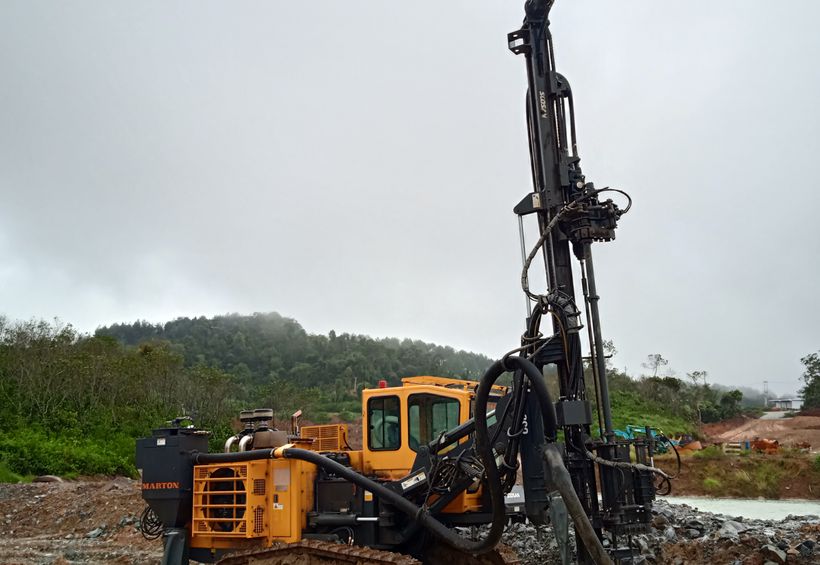
Kerrville Well Drilling deepens, lowers, and re-drills wells that have stopped producing across Kerrville and Kerr County, Texas. When a well that ran fine for years starts sputtering in a dry summer, the cause is almost always one of two things: the water table dropped below the pump, or the pump itself failed. We find out which before we quote a dollar, because the two problems cost very different money to fix.
The Hill Country is drought country, and its droughts are hard on shallow wells. A well finished in the first, near-surface water it hit sits close to the top of the aquifer, and when a dry stretch pulls that level down, a well with only a few feet of water over the pump loses its cushion first. The faucet sputters, the tank cycles, and the household starts rationing. On the plateau, that is the August call.
Lower, Deepen, or Re-Drill
There is a ladder of fixes here, cheapest first, and we work it in order. If the well still holds water and the pump simply sits too high, we lower the pump and the well comes back for a fraction of the cost. If the water has genuinely fallen away, we look at drilling the same hole deeper into the lower Trinity to reach a zone that holds through a drought. If the well is old, badly cased, or collapsed, a new well is the honest answer. We measure the standing level and read the casing before we tell you which rung you are on.
Depth Is Drought Insurance
The reason deep wells survive out here and shallow ones do not is simple. The shallow water zones drain first in a dry year, while the deeper Trinity holds. When we deepen a well, we are moving it from the zone that fails to the zone that lasts. That is why a deeper hole, though it costs more than lowering a pump, often ends the drought calls for good instead of buying you one more wet season. We aim to leave you with a well that rides out the next drought, not just this one.
Well sputtering, air in the lines, or nothing at the tap at all? Call (830) 555-0173 and tell us what the well is doing.
My Hill Country well went dry. Is that normal in a drought?
It is common, and it traces back to how deep the well was drilled. A well finished in the first, shallow water it hit rides close to the surface, and the plateau's droughts pull that shallow water down hard. A well that has served for years can drop below its pump in a bad summer. The fix is to reach deeper water or to lower the pump within the water that is left. We measure the standing level before we decide which.
Can you deepen my well into the Trinity?
Often yes. When a shallow Edwards-Trinity well drops, drilling the same hole deeper into the lower Trinity can reach water that holds through a drought, and that is cheaper than a brand-new well. It depends on how the well was cased and what the rock below does. If the casing is sound and the geology cooperates, we deepen it. If the well is old or poorly built, a new well is the honest call. We read the well first.
Would lowering the pump be enough?
Sometimes, and it is the first thing we check because it is the cheapest fix. If your well still holds water but the pump sits too high in the hole, dropping it deeper puts it back under water and the well comes back. We only move to deepening or re-drilling when the water itself has fallen past what the well can reach, not when the pump was simply set too shallow to ride out a dry year.
Why do shallow wells fail out here and deep ones do not?
The plateau's water sits in rock, and the shallow zones are the first to drain in a drought. A deep well into the lower Trinity draws from water that is far slower to fall, so it keeps producing when the shallow wells around it quit. That is exactly why we push depth on a new well and why deepening an old shallow one is often the real fix. Depth is drought insurance in the Hill Country.
How fast can you reach a dry well?
A house with no water is an emergency and we treat it that way. Diagnosing the well, measuring the level, and pulling the pump usually happen on the first visit. If the answer is a lower pump we often handle it the same day. Deepening or re-drilling needs the rig and a district permit, so that runs longer. Call and tell us the well went dry and we will get to you as fast as the schedule allows.